

ROLE: marketing and partnershipsAirFlare transforms the smartphone every guest already carries into a powerful outdoor rescue locator — giving ski areas a tool that can mean the difference between a close call and a tragedy. My role was to bring that technology to life for the people who needed to understand it most: ski area operators, marketing teams, and the guests on their mountains.
I lead marketing strategy and partnership development, creating guest engagement frameworks and messaging that helps ski areas communicate AirFlare's value clearly and compellingly — to staff, to season passholders, and to first-time visitors who have never heard of the technology and needed a reason to download it before they needed it.
The work requires translating a technical rescue system into human terms. Ski patrol understands the console. Guests don't — and they don't need to, until the moment they're lost in a whiteout at 4 p.m., or lay injured from a fall. The messaging strategy bridges that gap: giving ski areas the language to introduce AirFlare naturally, build it into their safety culture, and make adoption feel intuitive rather than alarming.
Central to that effort was a white paper I developed that tells the full AirFlare story from the ski area's perspective — introducing resort operators and marketing teams to the search tools ski patrol uses to locate and assist guests in distress, and making the case for why AirFlare belongs in every mountain safety program. It walks through how the technology works, how patrol deploys it in the field, and how ski areas can position it as part of a guest experience that prioritizes both adventure and peace of mind.
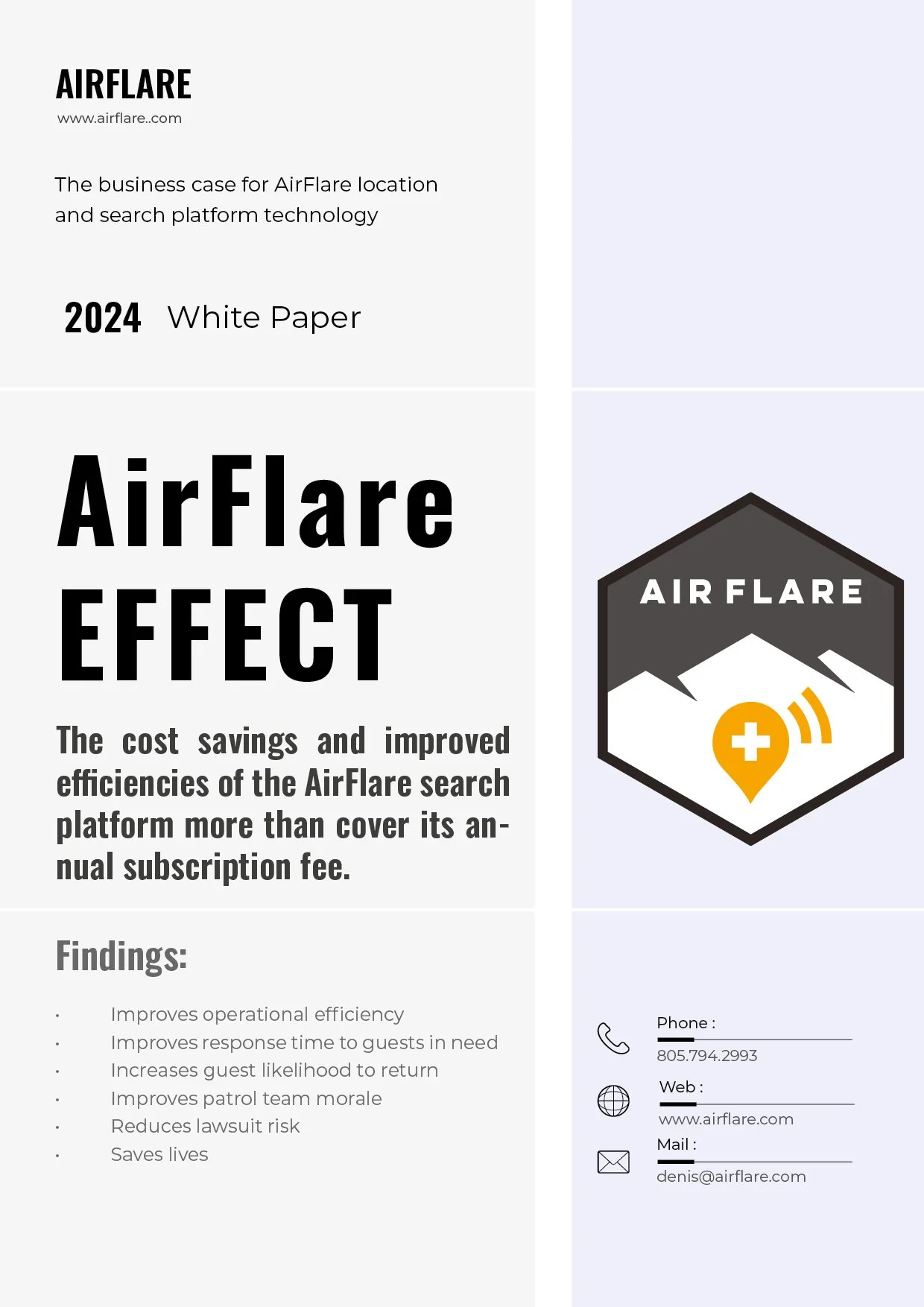
The AirFlare EFFECT whitepaper proved the case that this technology reduced operational costs while improving response time to guests in need.
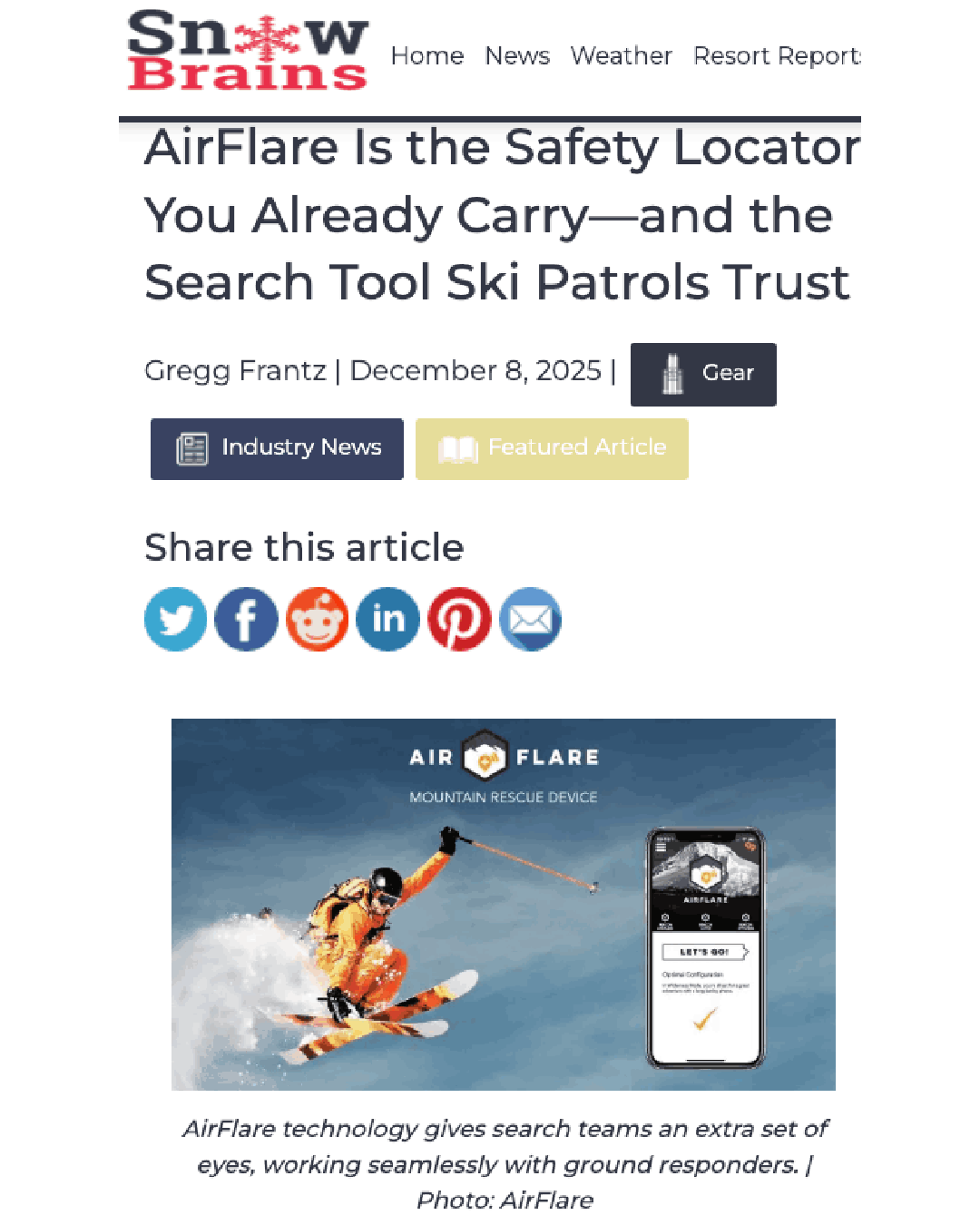
Feature story placement and partnership with Snow Brains - the leading snow sports enthusiast website.
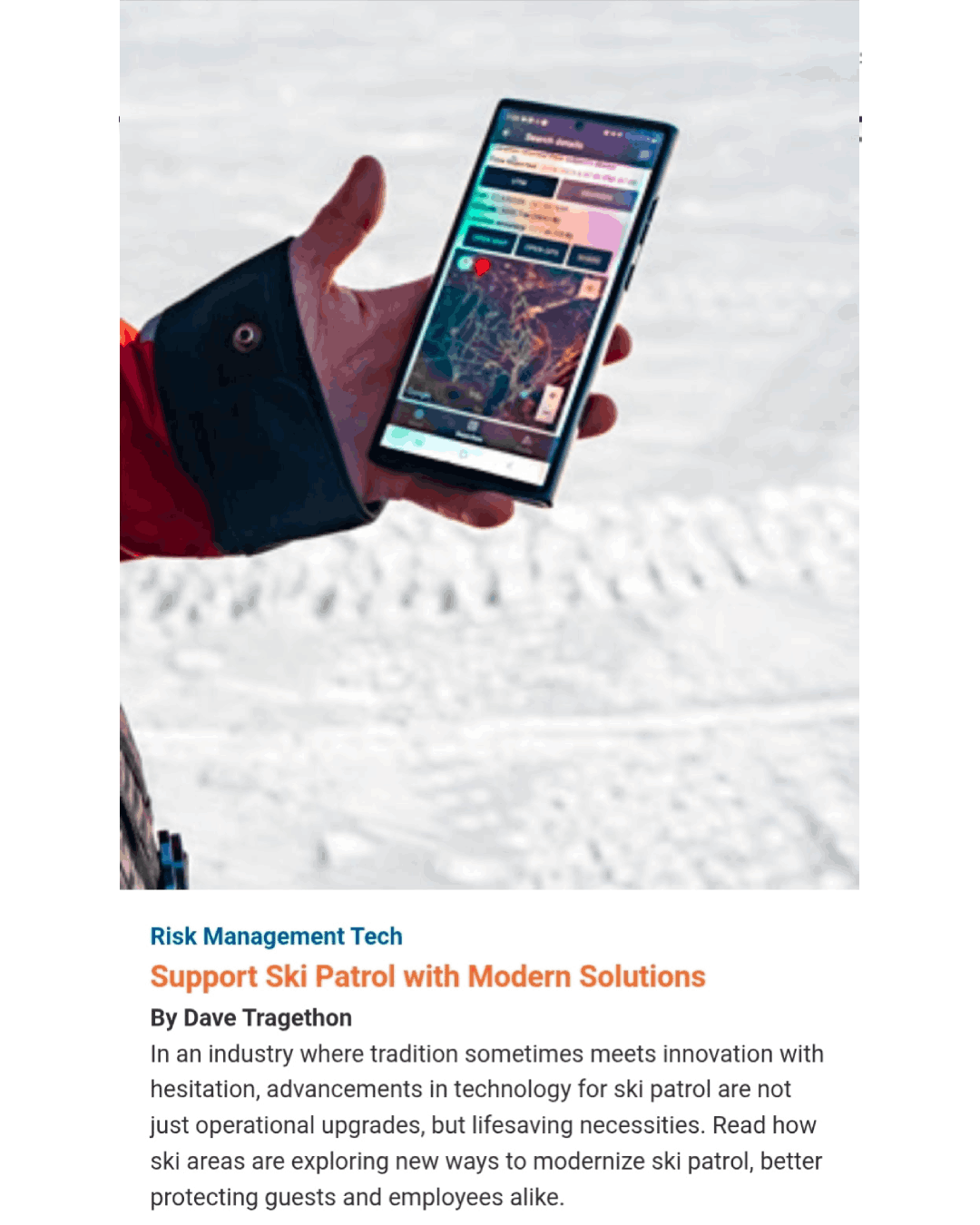
Placement of AirFlare in the leading consumer facing snow sports website.