Getting Stuff Done: My Journey with the Well Done Foundation
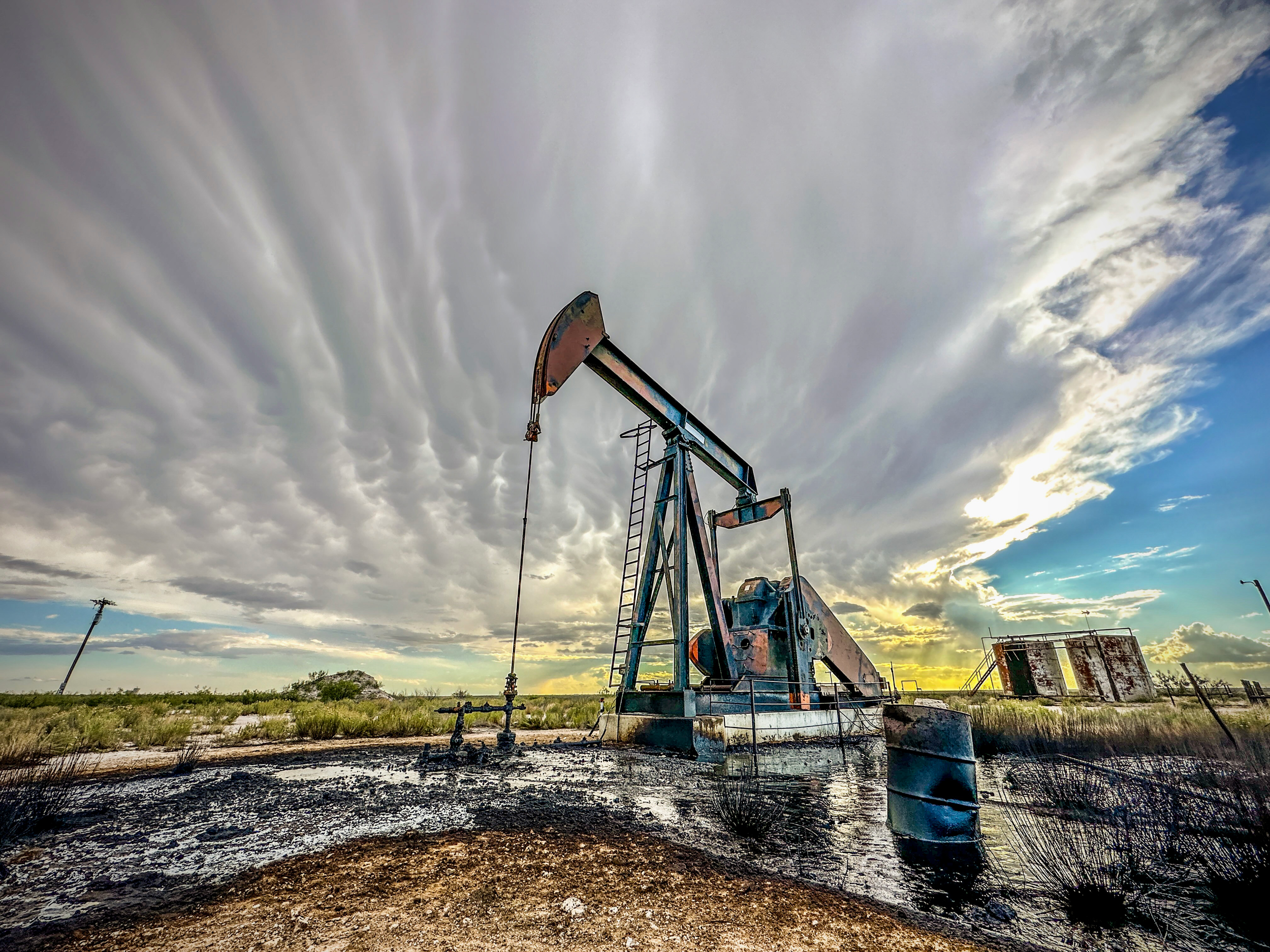
An estimated 3.5 million orphan wells are scattered across the United States. The Well Done Foundation is doing something about it.
I started this journal to share my Journey with the Well Done Foundation.
The wonder of it. The urgency of it. The people doing the work — quietly, methodically, in places most of us will never see. I wanted to capture it in plain terms, with a personal touch, in a way that goes well beyond what any press release can capture.
I've spent more than four decades as a storyteller — news director, marketing strategist, communications consultant. When Curtis Shuck brought me inside the Well Done Foundation as Communications Director, I found a story I couldn't stop writing about. An estimated 3.5 million orphan oil and gas wells scattered across the United States. No owner. No responsible party. Many of them quietly leaking methane into the atmosphere. Some hiding under porches, in front yards, beneath schools and assisted living homes and wildlife refuges.
Most people have never heard of this problem. The Well Done Foundation is doing something about it anyway.
I'm here to tell that story — the wells, the team, the science, the communities affected, and the occasional absurdity of what it actually takes to fix a problem this big. It's personal. It might occasionally be funny. It will always be honest.
Seven posts in, here's what I've covered.
It started where I always start — with a first day and a steep learning curve. My First Day as Communications Director for the Well Done Foundation is exactly what it sounds like: a guy who spent a career marketing ski resorts suddenly trying to understand orphan wells, methane emissions, and a founder who registered a nonprofit, secured domain names, and drafted a vision document on a single drive home across Montana. Curtis Shuck operates at a frequency most of us can't quite tune into. That post introduced him — and introduced me to all of you.
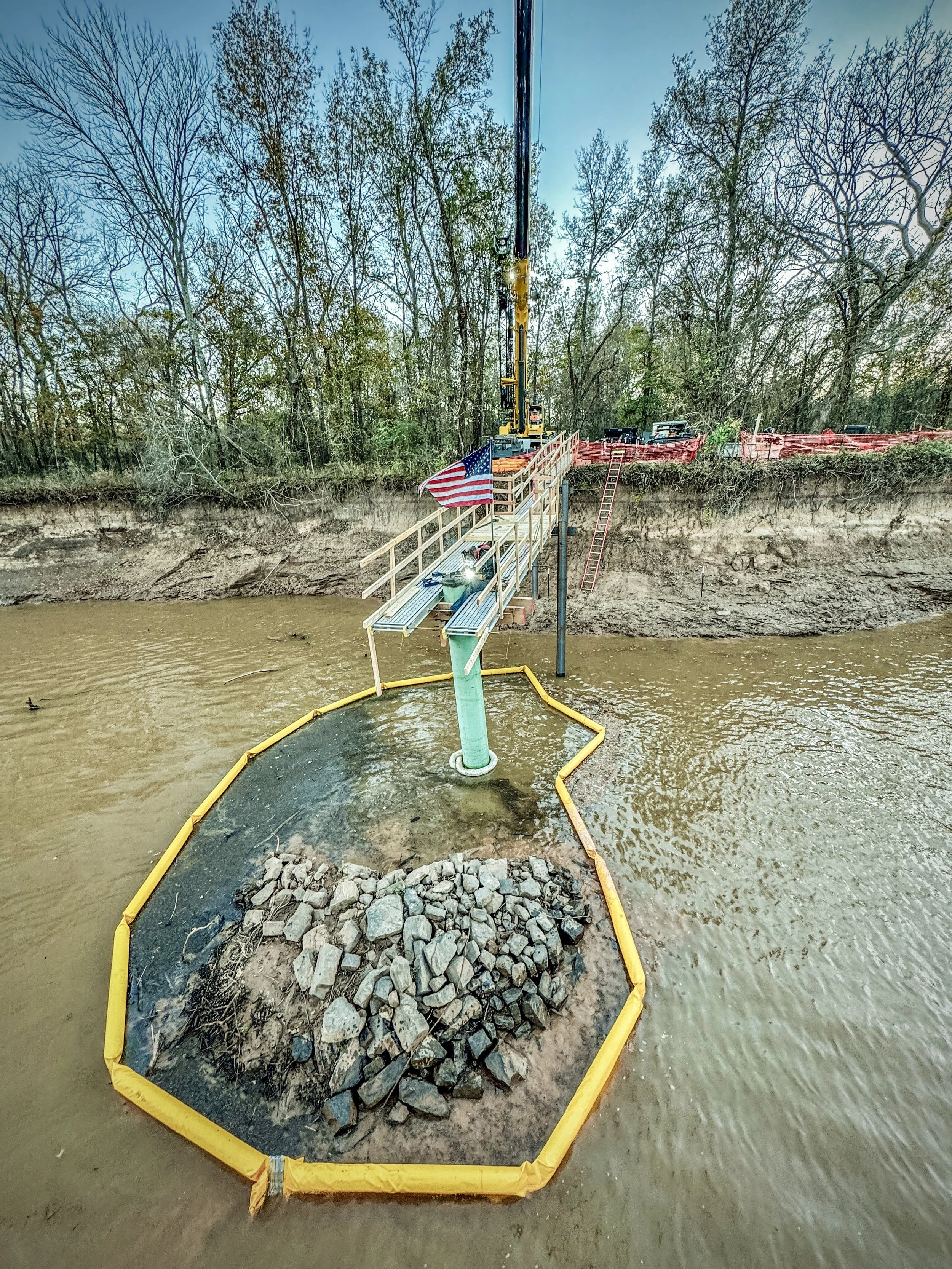
Specialized equipment is used to access and plug the Pine 2A orphan well in Deep Fork National Wildlife Refuge, Okla., 2025. The project was one of 30 wells plugged this past year as part of a broader effort to plug 110 wells in the refuge; and helped drive the Well Done Foundation’s expansion into marine and water-based operations.
From there I wrote The River That Moved— about growing up swimming in Minnesota's kettle lakes, and the strange realization that WDF was plugging orphan oil wells inside the Deep Fork River in Oklahoma. Not next to the river. In it. Because the river moved over the last century, swallowing the well sites that were drilled on dry land a hundred years ago. That post introduced WDF's marine division, and the field team — Micaela and Ivy — who traipse through bottomland brush with magnetometers and century-old aerial photos, looking for industrial ghosts.
Then came From Plugging My Nose in Nebraska to Plugging Wells in Montana — my first job in radio, a feedlot next door, and what the summer wind taught me about methane. Turns out a 500-watt station in Fairbury, Nebraska was an unlikely classroom for understanding orphan well emissions science.
Where the River Winds and the Universe Provides was about serendipity — how my career path, like the Deep Fork, bends and doubles back and eventually puts you somewhere you couldn't have planned. It traced how a conversation with Williams College students one day and Curtis on Oklahoma TV the next felt like the universe confirming something.
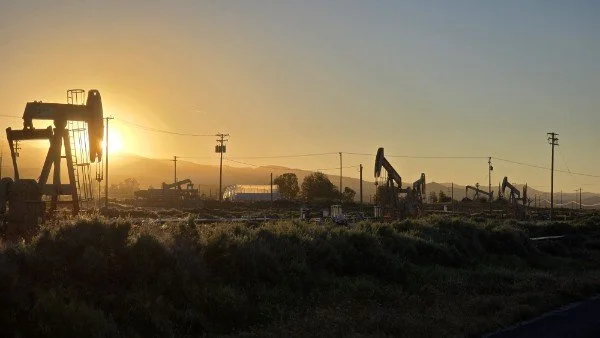
Pump jacks stretch to the horizon, rhythmically bowing to each other in front of a smoldering sunset. Kern County, the heart of California’s oil country, produces approximately 70% of the state’s oil and over 90% of its natural gas.
Finishing What We Started took me to Bakersfield, California for the 2nd Annual Orphan, Idle & Marginal Wells Conference — pump jacks stretching to the horizon, the weight of Kern County oil history, and a room full of regulators, operators, engineers, and environmentalists all showing up for the same reason. That post wrestled honestly with the funding gap, the promise and credibility challenges of carbon credits, and what it means to give these wells a proper ending.
I Hate Cats — yes, that's the title — went back to a public affairs show I hosted in 1977, when I asked a serious question about the future of rural farming and got dead silence. Then said "I hate cats" into the microphone and lit up all six phone lines. The real call to action, it turns out, comes from young people like the Taylor Allderdice Dice Club in Pittsburgh — high schoolers who raised $5,000 to plug local orphan wells and then went on the radio themselves to talk about why it matters.
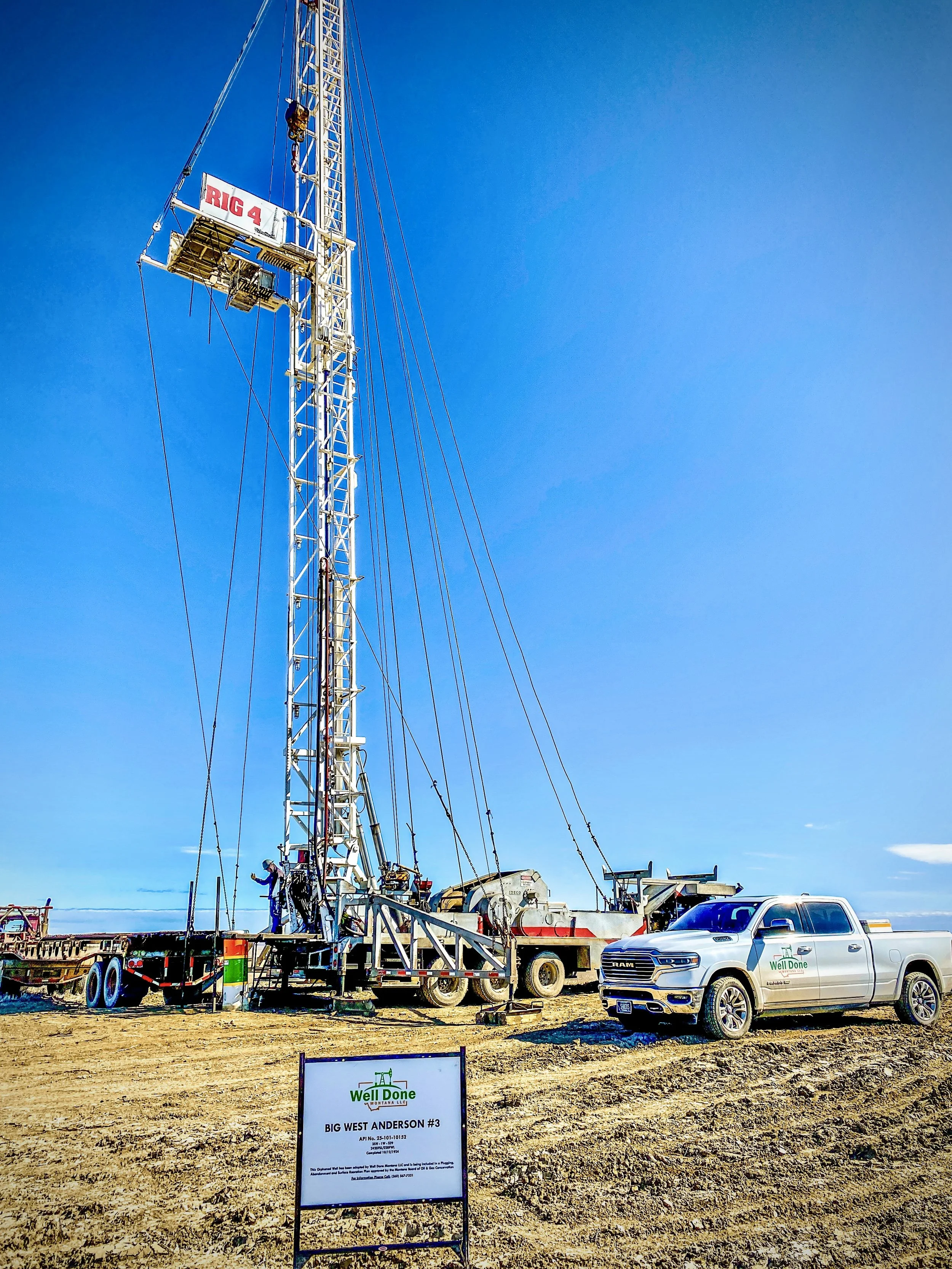
A workover rig prepares the Big West Anderson #3 orphan well for plugging in Toole County, Mont.. The well, originally drilled in 1924, was the first plugged by the Well Done Foundation on Earth Day 2020.
And the seventh post — published this Earth Day — is called The Well That Started Everything. Six years since WDF plugged its first well in northern Montana. 117 wells. 5 million metric tons of CO₂ equivalent eliminated. 15 states. And a photo I keep coming back to: five crew members standing above a pit of fresh concrete in Toole County, storm clouds building behind them, the work done.
That's the journey so far. If any of it sounds like something worth following, I'd be glad to have you along.